Optimize Images and Media Save your images in formats like WebP and JPEG 2000. Compress your images using tools like ImageMagick, TinyPNG, or Squoosh.
Minimize HTTP Requests Reduce your calls to external sites and scripts. Shrink your number of assets by combining your CSS & JS files.
Browser caching Enable static assets on your site to be cached in the browser. If using WordPress, try tools like Rocket Cache.
Mobile Optimisation Design with mobile-first principles to ensure good performance on small screens eg simplified navigation, flexible layouts and deciding what content is necessary for mobile.
Optimise your fonts Use a minimal number of web fonts and consider using system fonts where possible eg Times New Roman and Arial.
Site performance Check your website’s performance using tools like Google PageSpeed Insights, GTmetrix, or Lighthouse.
Server Performance Choose a fast and reliable hosting provider for your site. Optimise server-side code and database queries.
1. Offer a valuable incentive Tempt with a discount, a free gift or exclusive content.
2. Eye-catching headlines Clearly communicate the benefit of engaging with the pop-up. eg “10 Proven Strategies to Boost Your Productivity”.
3. Optimise timings Determine the best time to add a pop-up, without impacting the customer’s experience. Exit pop-ups are a solid choice to stop people leaving your site!
4. Limited-time offers Create a sense of urgency that this offer ain’t going to last forever!
5. Optimise for mobile Ensure that your pop-ups are mobile-friendly and won’t ruin your visitor’s experience.
6. Sweet CTA Ensure that your call-to-action (CTA) button is clear and conveys the action users should take. eg “Get Started Now”
7. Add social proof Incorporate customer reviews, ratings, or user testimonials.
8. Test, test test Experiment with different colours, timings and copy in order to achieve the best results.
RED: Urgency, excitement, and action For creating a sense of urgency in your CTA eg “Buy Now” or “Limited Time Offer.”
GREEN: Growth, success, and positivity For positive actions like signing up, getting started or trying something new. eg “Download Now” or “Subscribe.”
BLUE: Trust, reliability, and professionalism For CTAs to encourage users to learn more or take their time. eg “Learn More” or “Explore.”
YELLOW: Optimism, energy, and positivity For CTAs that promote positive actions or convey excitement eg “Enter to Win” or “Play Now.”
PURPLE: Creativity, luxury, and uniqueness For CTAs that offer exclusive or premium experiences eg “Experience the Elite”
I’m sure you all know this, but you must firstly have a Facebook business account and Facebook business page in order to create Facebook ads 😉
Ensure you have the Facebook pixel installed on your website – this will enable you to monitor how customers are responding to your ad and help Facebook optimise the performance of your ad.
Know your numbers. What is your Cost per Action/purchase, Return on Advertising Spending (ROAS), Cost Per Click (CPC) and Click Through Rate (CTR)? If you’re not sure, then there’s plenty of Facebook ROAS calculators out there to help you 🙂
Understand how the FaceBook ads system works. In short, it’s an auction system where ads win the right to be displayed in front of their chosen audience based on ad quality, estimated action rates and bid amount.
Also ensure that you have a great landing page, a high-performing website and a solid sales funnel. All of these can impact the success of your ad!
Target Audience
Before the introduction of iOS 14 in Autumn 2020, finding and targeting your ideal customers was much easier, as so much user information was available to Facebook. Hence, defining your niche audiences and their niche interests was key to creating a successful ad. However, this has now approach has been smashed to bits so look to keep your audience broad and focus on creating an ad with a great angle.
Design
As already mentioned, focus on making your ad creative, organic and engaging. After the introduction iOS 14, creativity is now seen to be the biggest factor to developing a winning ad. Think about interesting and original ways to develop and display your images, video and copy.
Make it your ad fast paced. People have short attention spans, so keep any frame to less than 3 seconds and any video to less than 45 seconds.
Call to action. The aim of the ad is to make make people click, so always make this a high priority!
Offer
Find or define the trigger benefits of your product, as this will motivate your customer to buy. Will this product make the customer happier, fitter, healthier…..?
Give your ad a hook and engage your audience. Storytelling is a great way to do this, for example, spell out a problem and then demonstrate how your product will fix this problem!
Make the customer an irresistible offer. Maybe you could offer a discount price or increase the perceived value eg offer free shipping or a two-for-one deal.
Social Proof
Incorporate reviews into your ad. Customers want to see actual proof of how this product has been proven to work for other people. This is so important to your ad!
Analyse
Regularly test 3-5 ads a week. Try different images, videos, copy and colours and continually learn from your data.
Use Google Analytics and UTM parameters to monitor the CTRs (Click Through Rates) to your landing page. You can then tweak ad based on these figures.
If you’re planning to sell a product online, I’d highly recommend developing a simple sales funnel.
What? A sales funnel is a visual representation of the process through which your business turns prospects into customers.
Why? A funnel will provide a clear, direct path of how to convert cold leads into purchases. It gives your customers one path to follow and one decision to make. It will also enable you to forecast sales, estimate stock and evaluate your sales methods.
How? Many experts believe the traditional sales model is no longer valid. However, I think the following method still works for small ecommerce businesses at the very least and can be employed by the following three simple steps:
Awareness. The aim is to get traffic to your website and the best way to do this is by paying for targeted ads – Google, Facebook and TikTok are the obvious options. At this point, the targeted person viewing your ad might well not be looking to buy from you and could just be curious to know more. Hence, your ad needs to have a great headline and great copy in order to make them click through to stage 2 👇
Consideration. This should be your landing page. You’ve got the lead onto the site to consider your offer and now you must make them buy the product. Check out my post on creating a great landing page here.
Action. Boom! The customer adds the product to their cart and completes the purchase 🎯
Alternatively, you could use a service like Clickfunnels to do this all for you!
What defines a successful sales funnel?
Click Through Rates (CTRs) average around 3-4% for paid ads. While a decent Conversion Rate (total sales / total views * 100) is around 1-4%.
How do I analyse my sales funnel?
The stats on your ad account will show you your Click Through Rates. Google Analytics and Shopify (my ecommerce platform of choice) will enable you calculate your Conversion Rates. You could also look at Hotjar to see how users behave and where the drop-off points are on your website. Another option is Triple Whale, which offer to cover the whole of your sales funnel.
How do I optimise my sales funnel?
Conversion Rate Optimisation (CRO) can be achieved in a number of ways:
Build profiles of your target customers. What do they eat, watch, wear, listen to etc. This will enable you to personalise the whole funnel for your target customer.
Amend the target customer, headline, copy, imagery or video of your ads. Consider several similar iterations of same ad to compare and contrast how well they perform. There’s also plenty of tools around to help you spy on your competitors ads if you need more help.
Amend the headline, copy and imagery on your landing page. Check out my post on how to create a great landing page here.
Have an exit intent popup.
Install abandoned cart email & sms automations onto your website.
Reach out to your customers after they make purchases by sending thank you notes or offering coupons and discounts. Customer retention is easier than customer acquisition.
Build a mailing list and send mailouts to your potential customers on a regular basis.
Upsell other products to converted customers to further increase your sales.
Landing pages are crucial to selling your product or service, as this is the place that a customer will say yes!
Whereas your product pages should cover all the specification, delivery and pricing information, your landing page should be focused more on the reasons why someone should buy your product. How will the product benefit this customer? How is this product better than the competition? You should be using this landing page to create an emotional connection with your customer.
What do you use landing pages for?
And as the title suggests, this is the first page that your customers should visit on your website. However, ensure you know what you’re trying to achieve from your landing page, as this will impact how you subsequently create the page. Are you trying to:
Sell a product? Then this is where your Google / Facebook / Instagram / TikTok etc ad should be pointed at.
Capture marketing leads or signups?
Launch a marketing campaign?
Simply develop an amazing homepage?
Sections of a landing page:
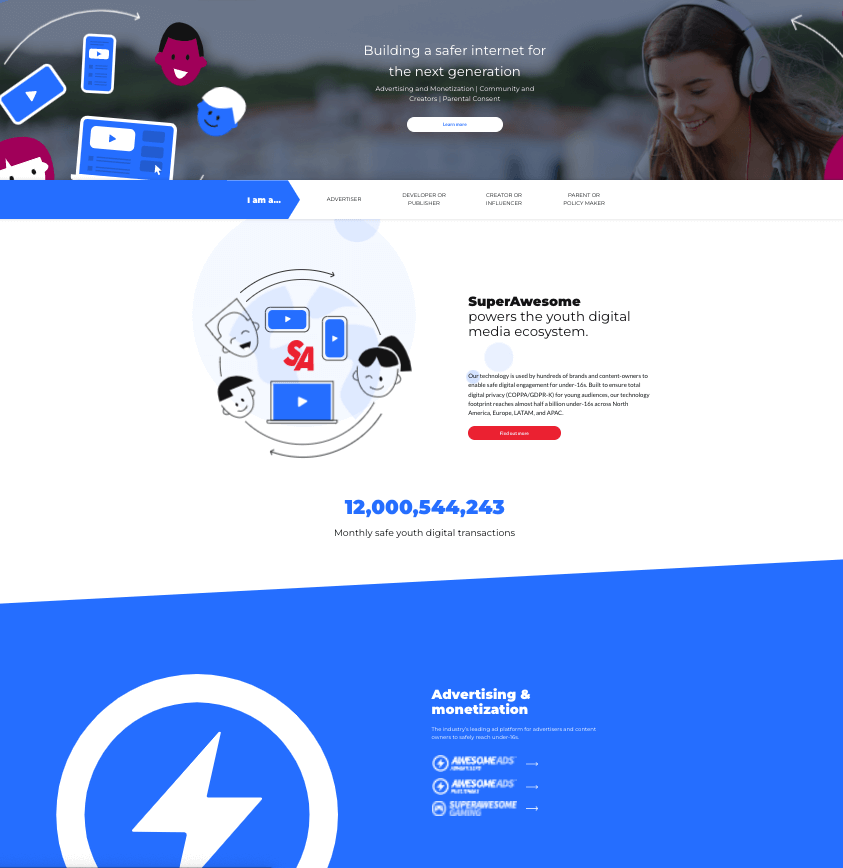
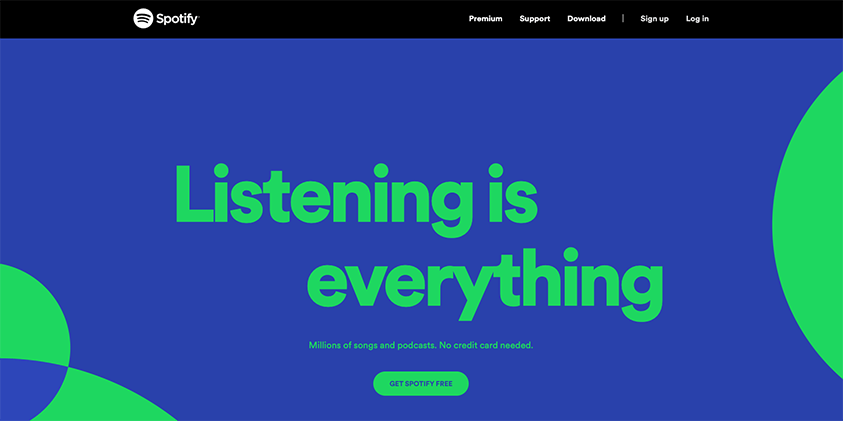
Hero section. You want an attention grabbing headline (e.g. what problem do you solve?) and an image above the fold. This top section is crucial as most people simply cannot be bothered to scroll down your page, so make this content count.
Explanation. What is the product? Who is this product for? Why should I buy it? (You need to display the key benefits) Why is this product better than the competition? (An Us vs Them table section works well here)
Social Proof. Provide customer reviews of your product.
Build Trust. Give the viewers evidence of safe checkout on your website or guarantees of returns and refunds policies. You could also add verified reviews of your product here.
Frequently Asked Questions (FAQs). Collect any feedback on your product or service into this section. Definitely include your delivery and returns information here.
Call to Action (CTA). Use emotion to convince the customer to click and buy your product!
Other things to consider:
Keep your landing page simple and quick loading – ditch all the standard items on your website such as your standard navigation, sidebars etc.
What colours are you using on the landing page? Different colours can have different impacts. For example, blue installs trust, while green stimulates harmony. Ensure that your CTA stands out from the background and limit your design to 3 or 4 colours.
Have Google Analytics installed on your site to measure the traffic to your landing page. Realtime conversion reports enable you to see the live activities on your landing page. Conversions overview will show you data on goal completions and completion rates. The Multi-channel conversion visualiser will also display the paths of where your conversions came from.
Try Google Optimise to A/B test your landing page. Alter your copy, colours and CTA and see if it increases conversions.
I reckon that’s all the big stuff covered. Good luck with your landing page!! ✊